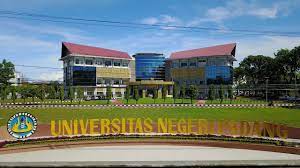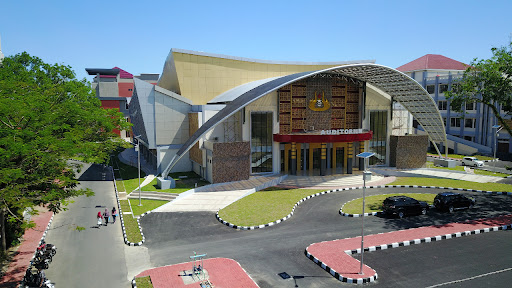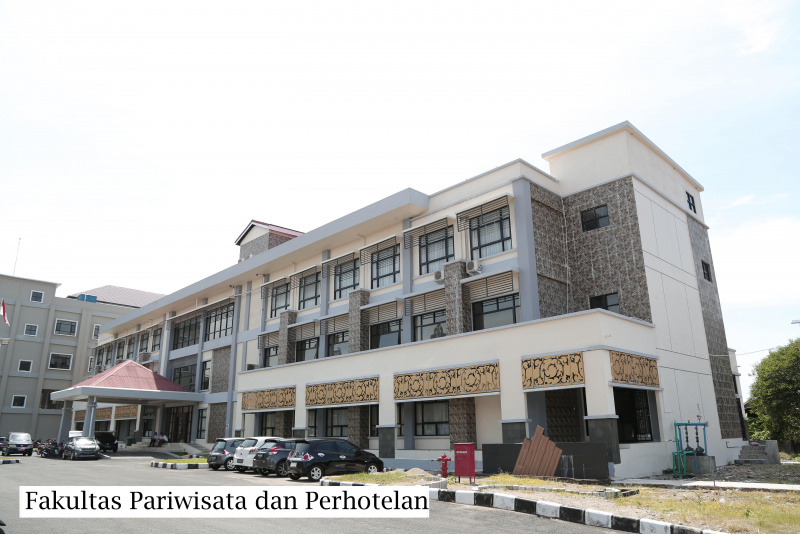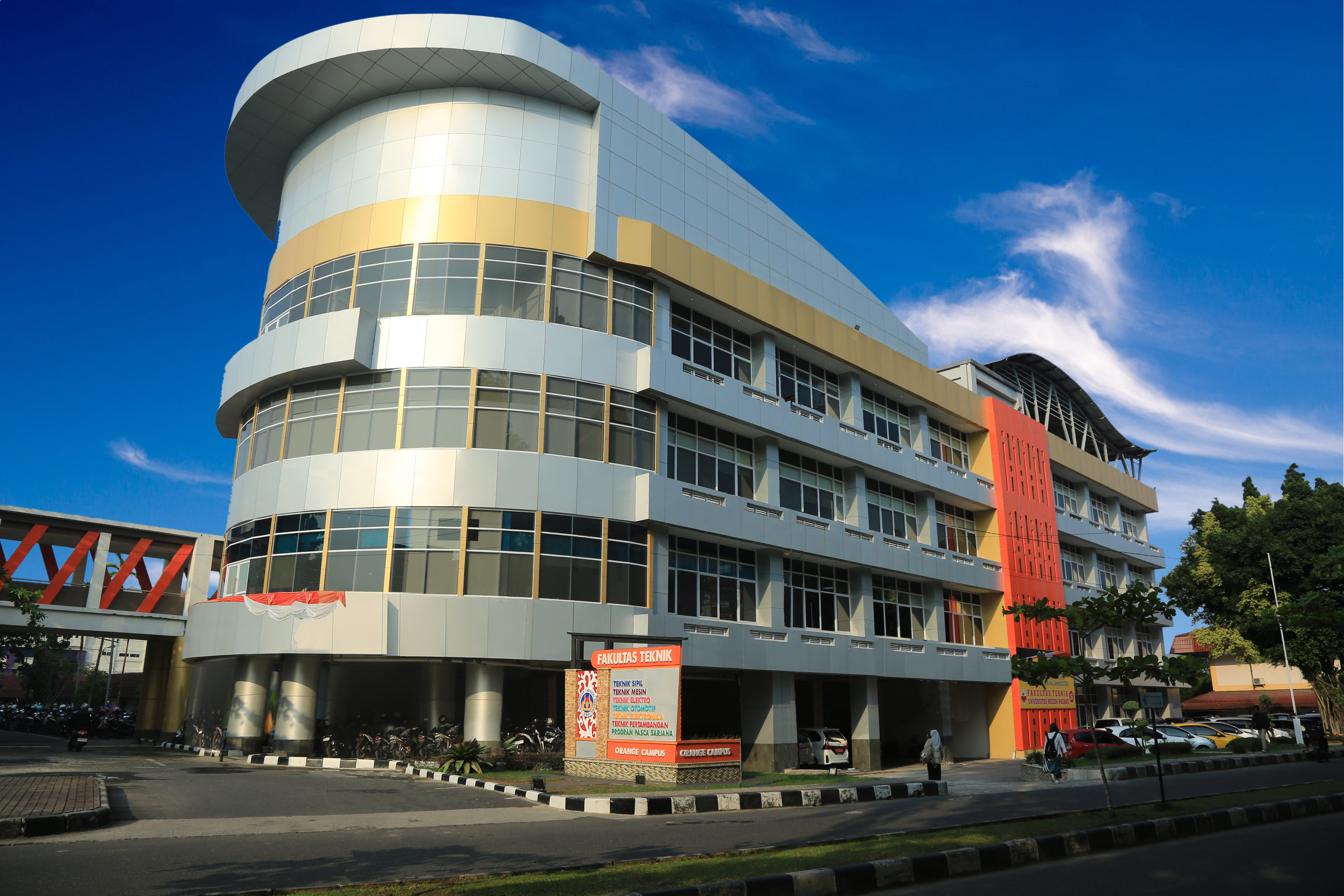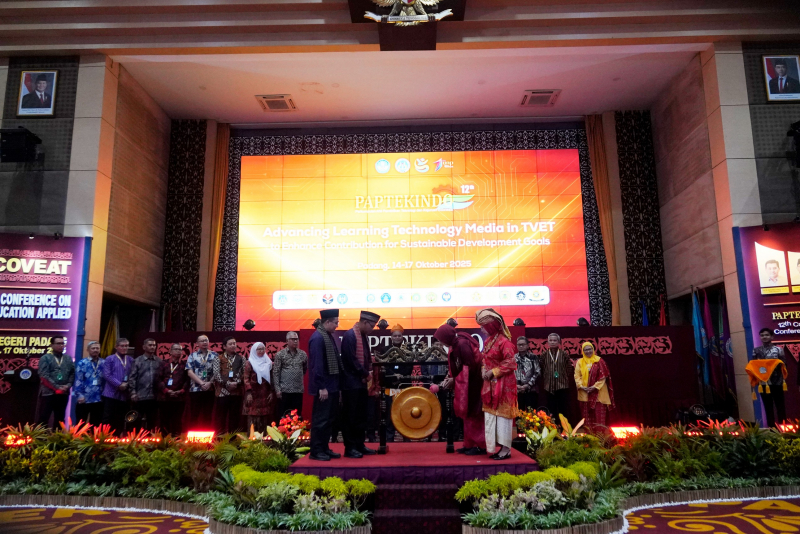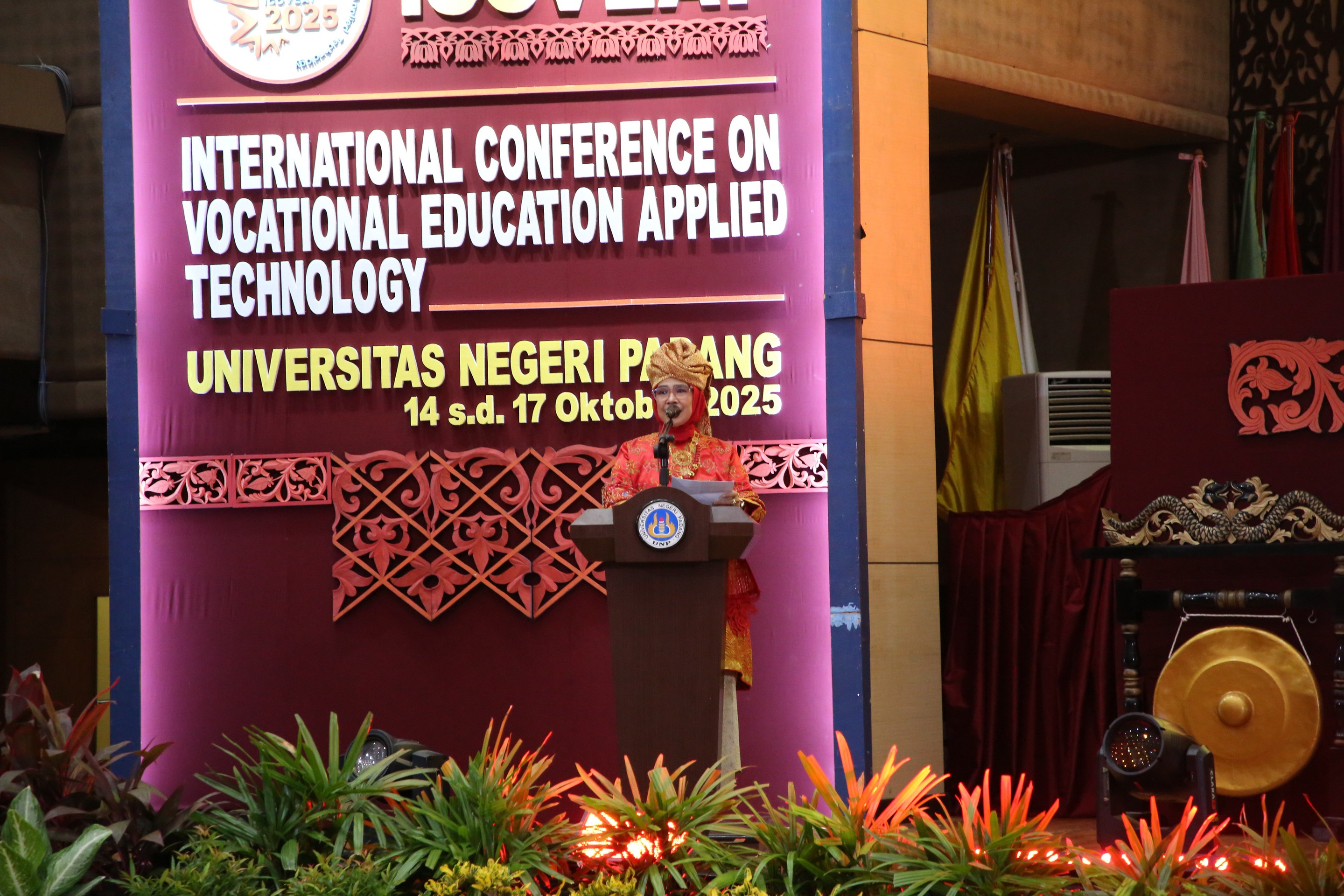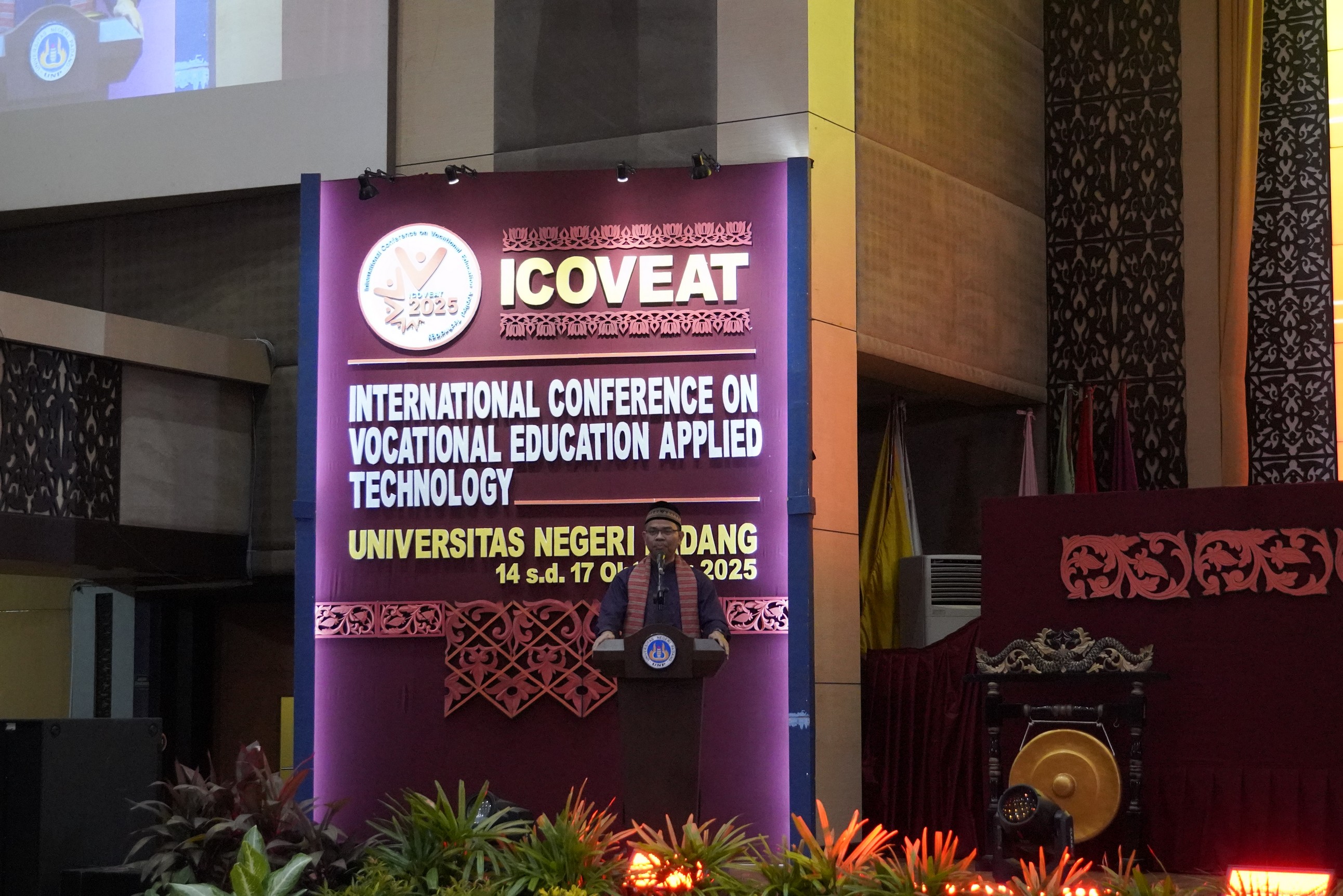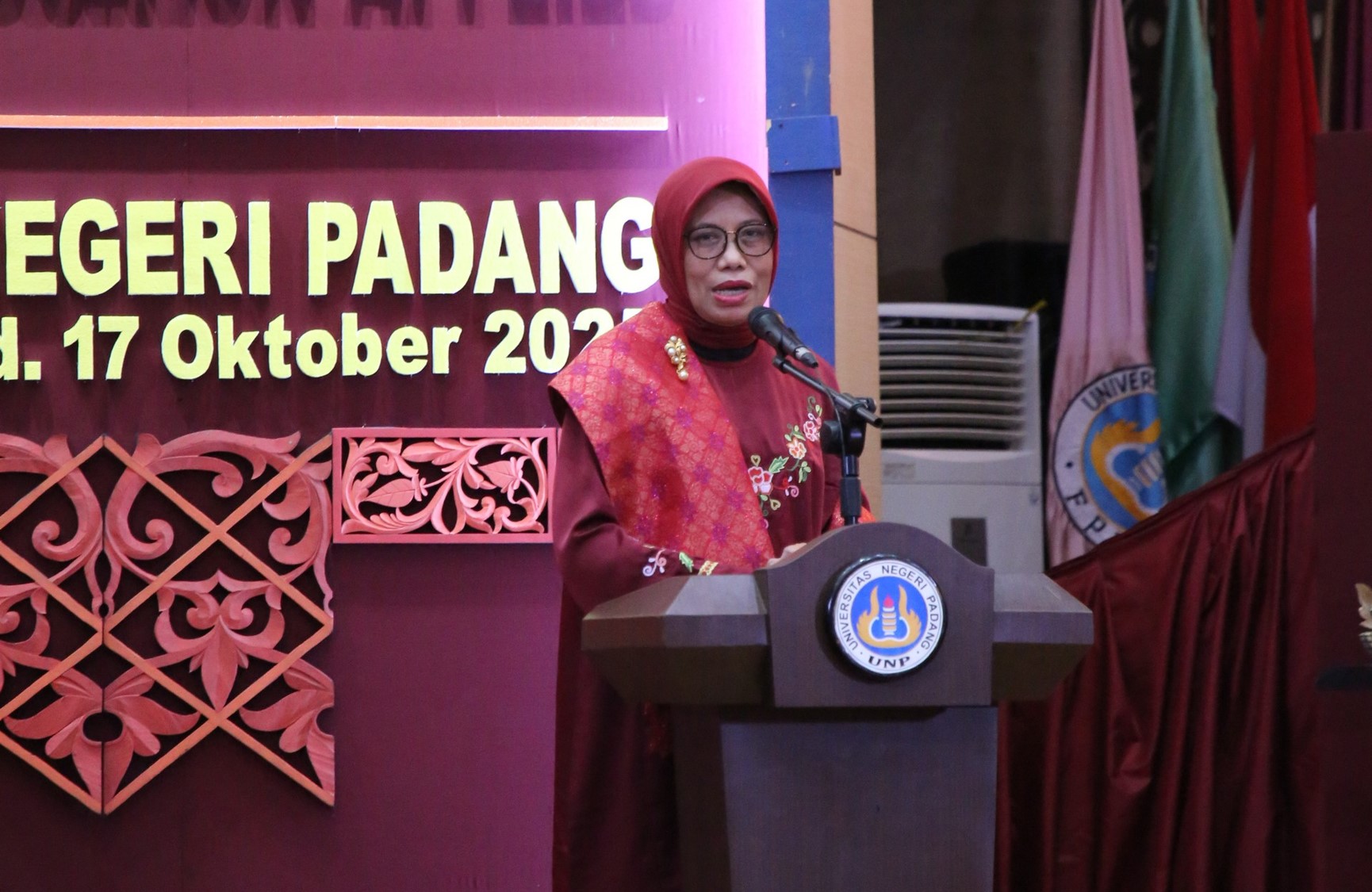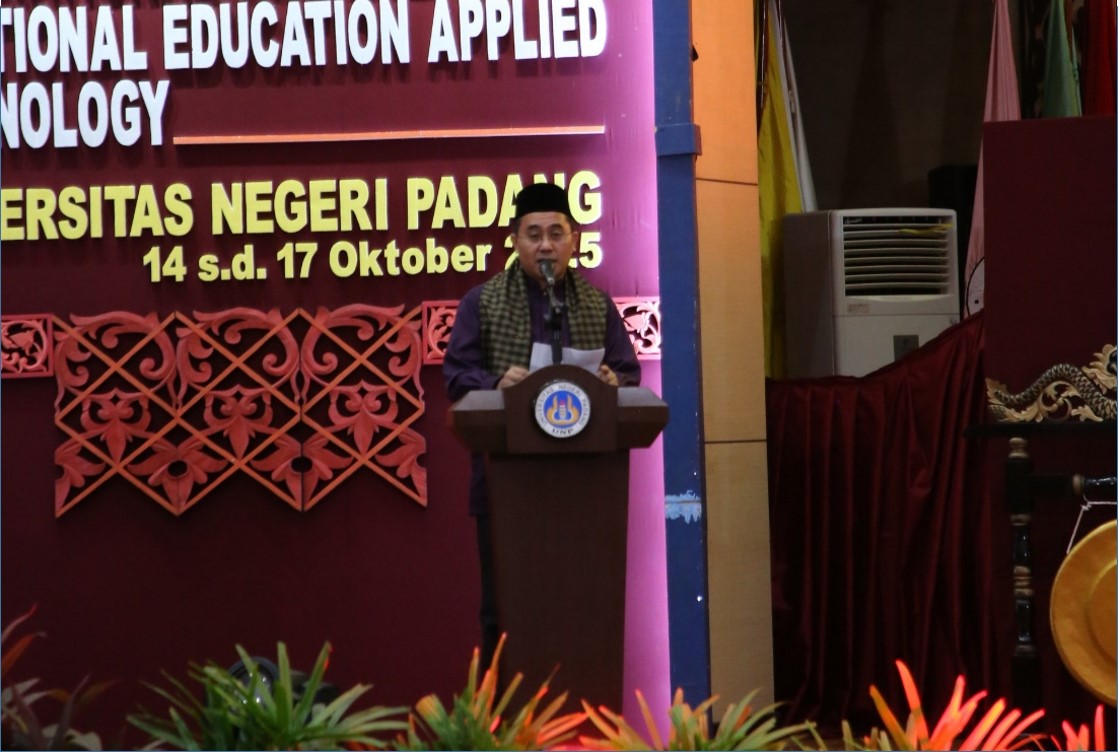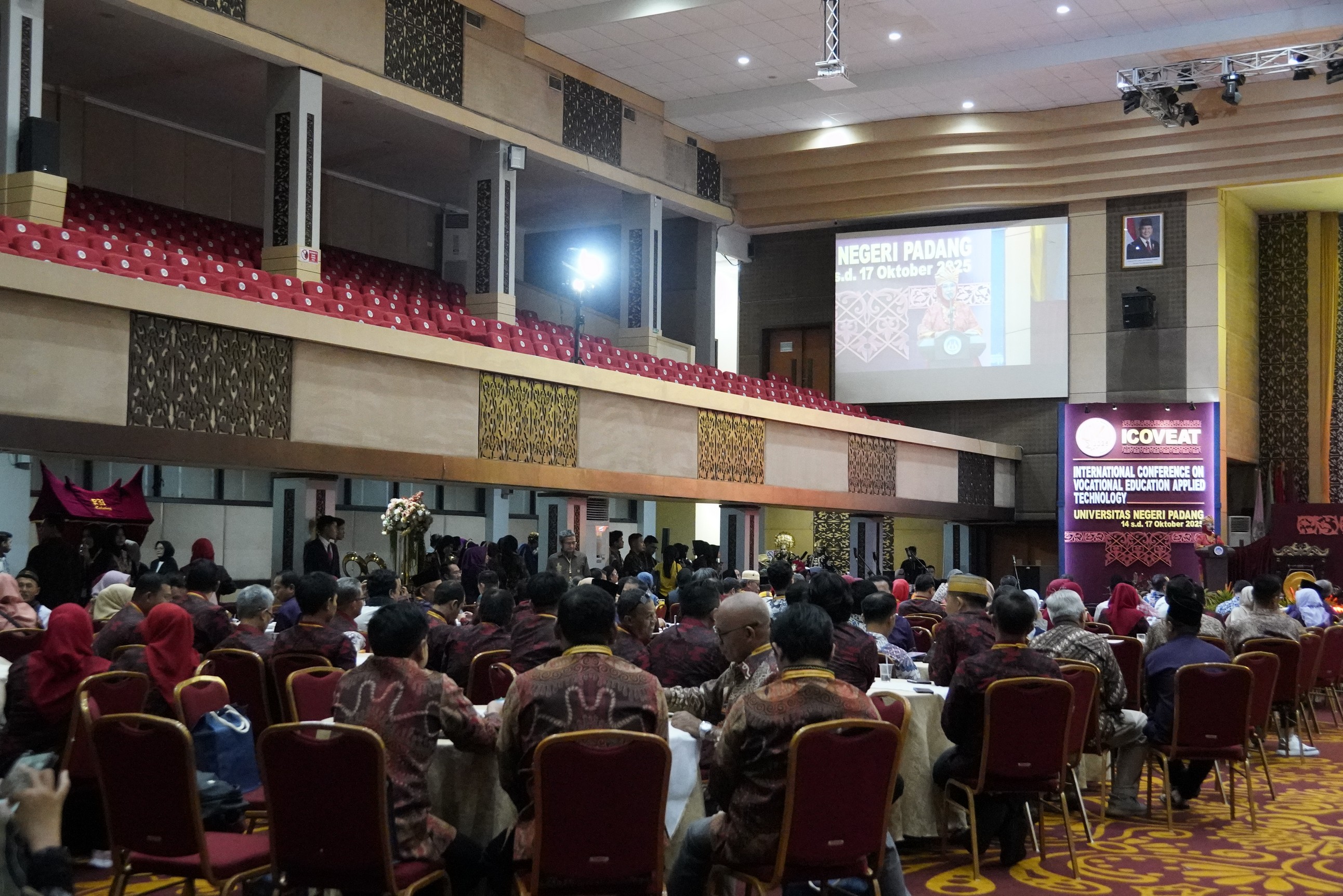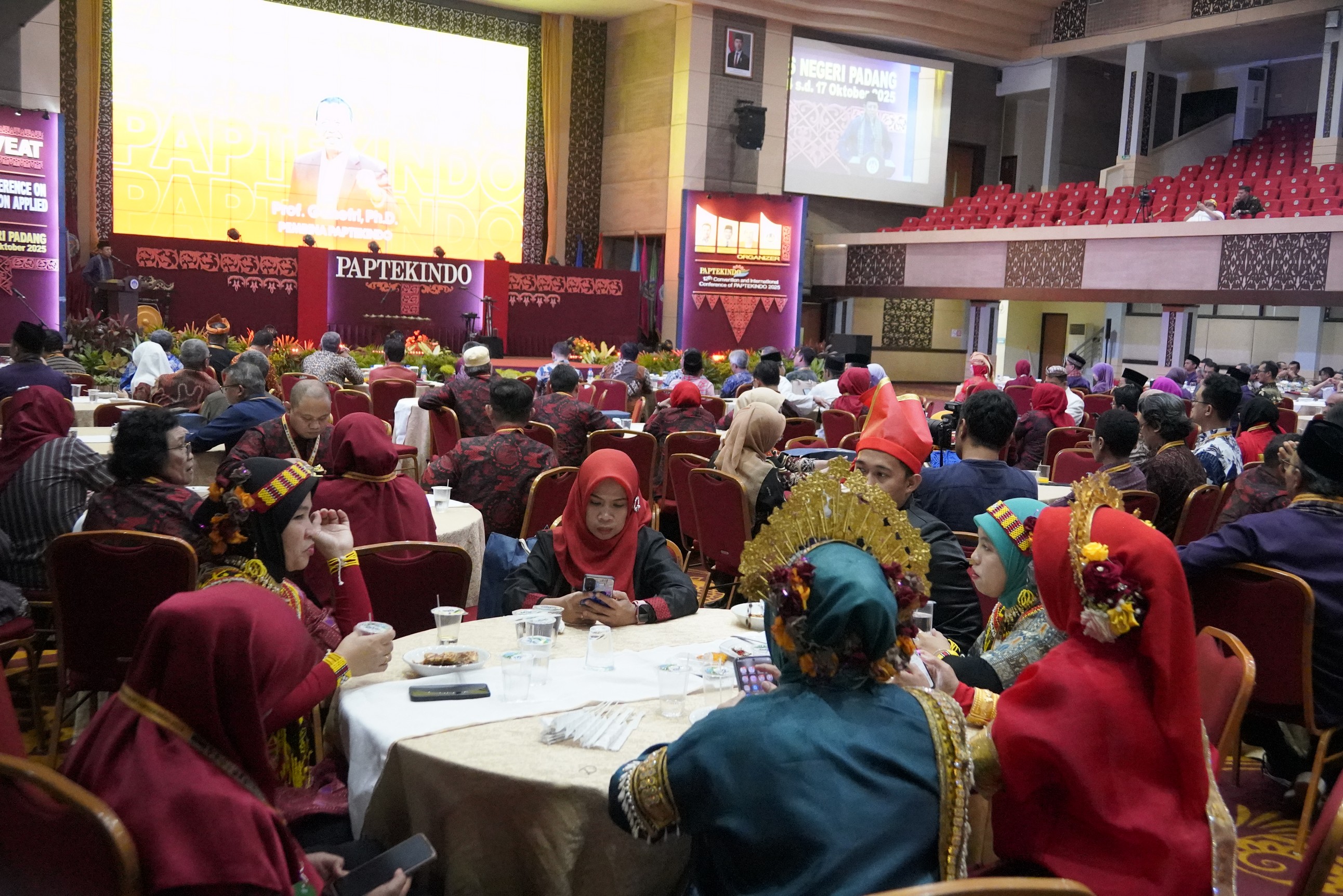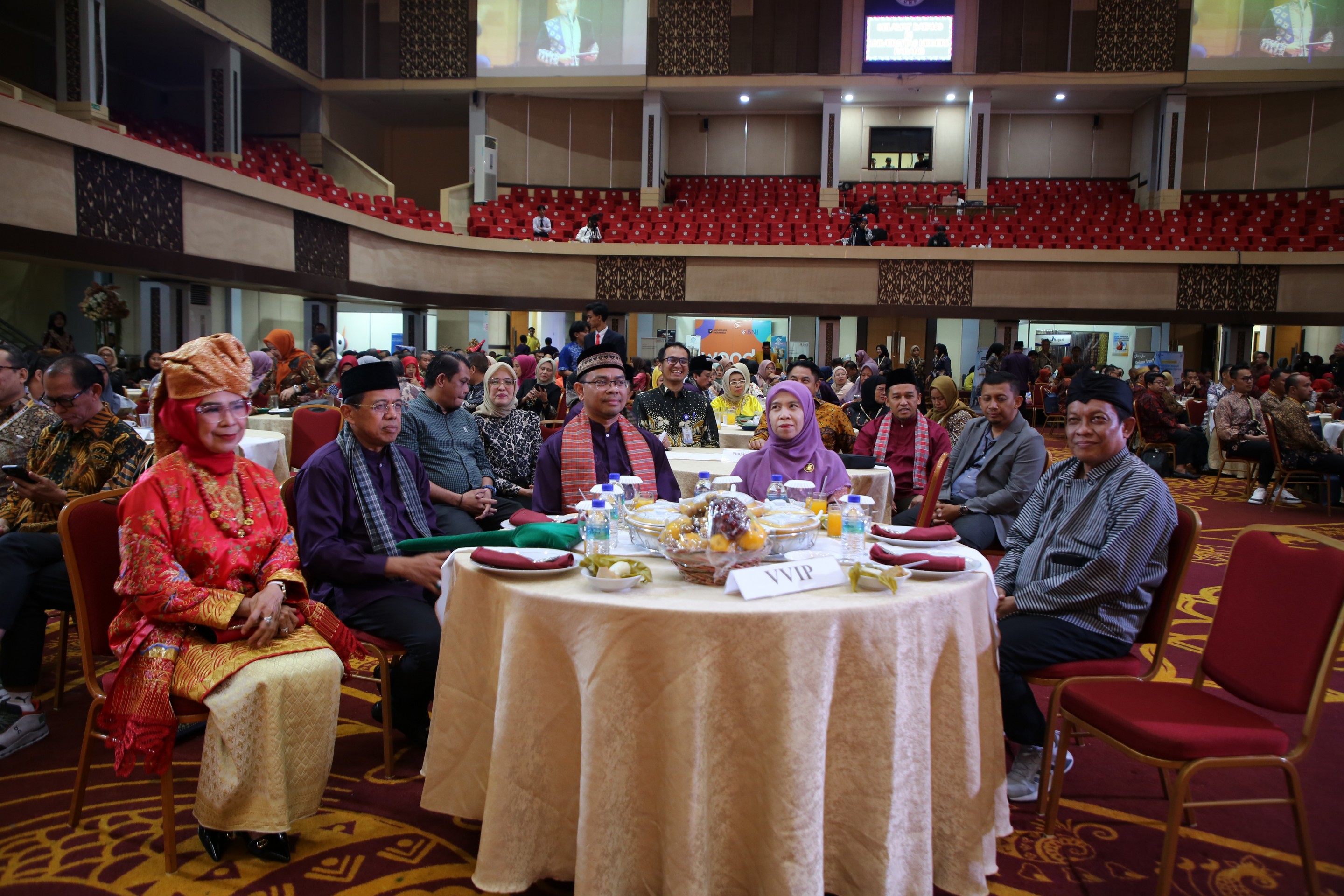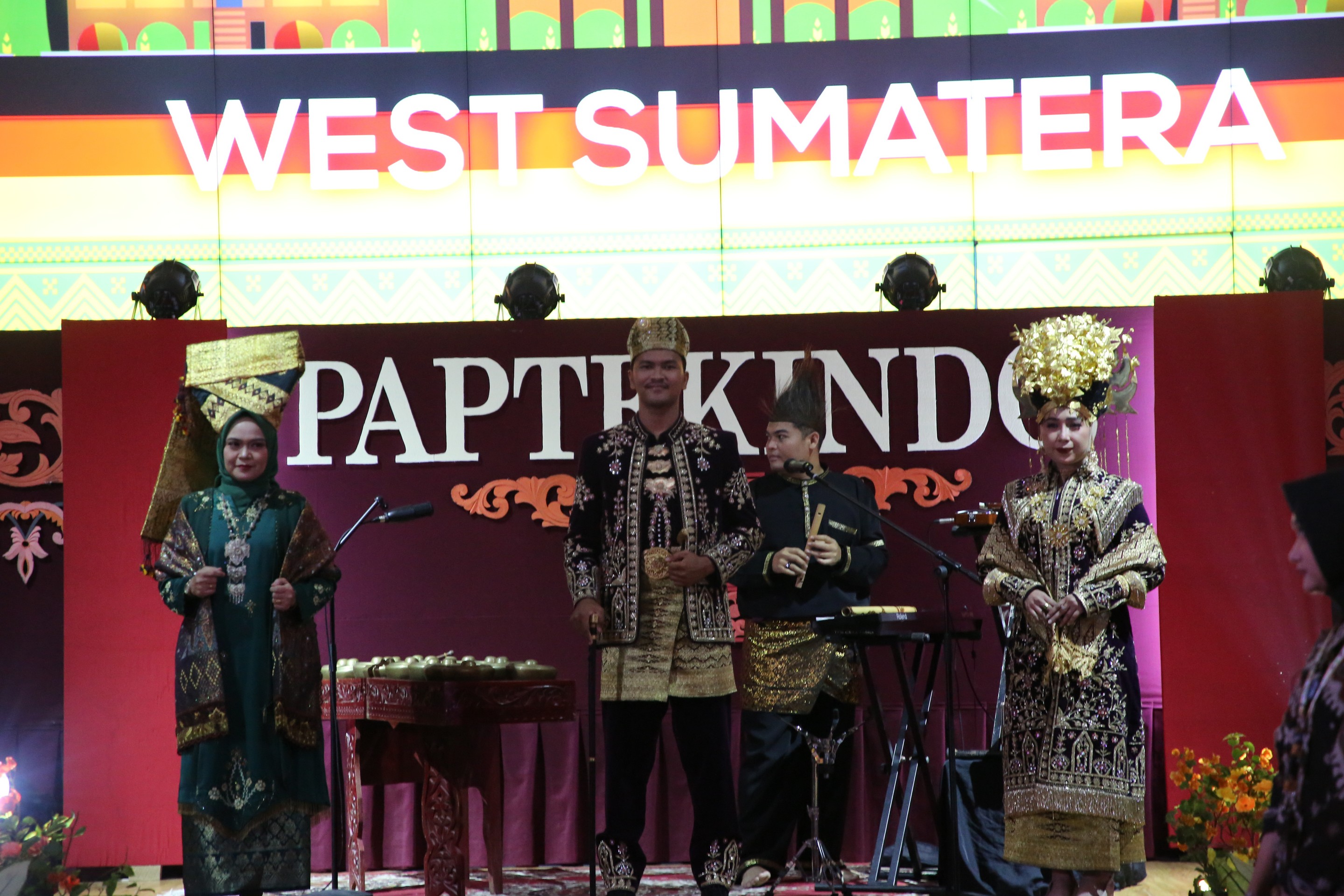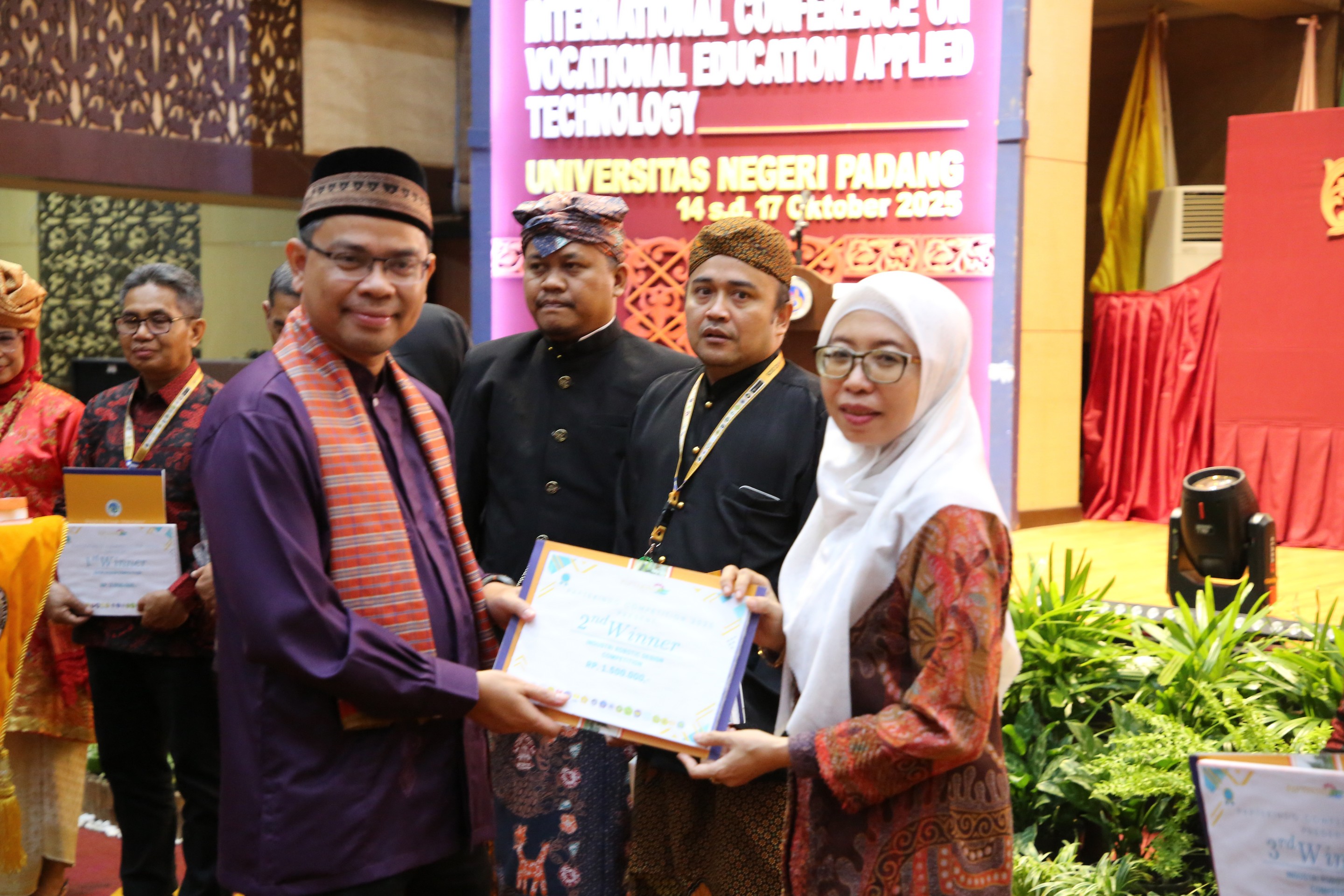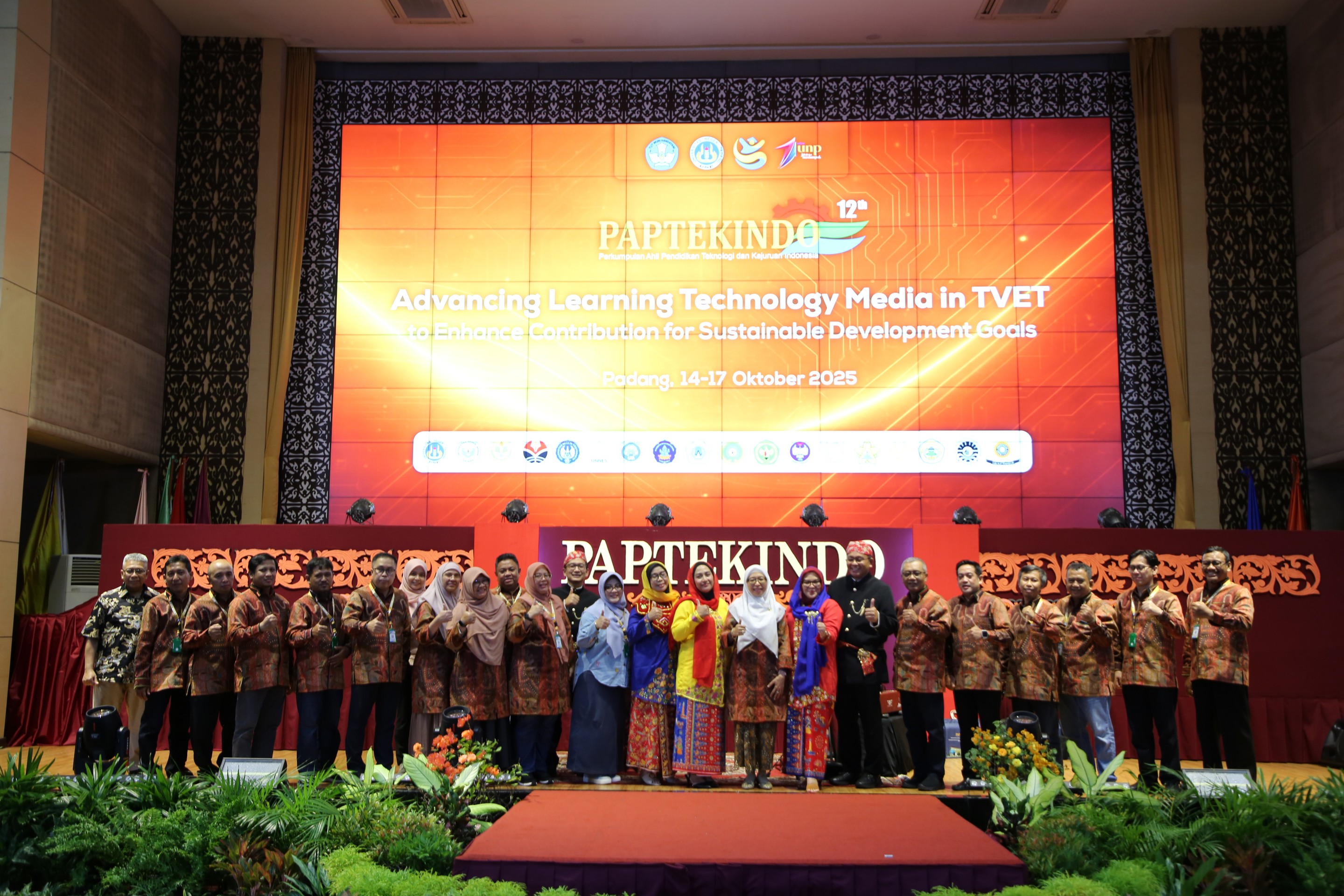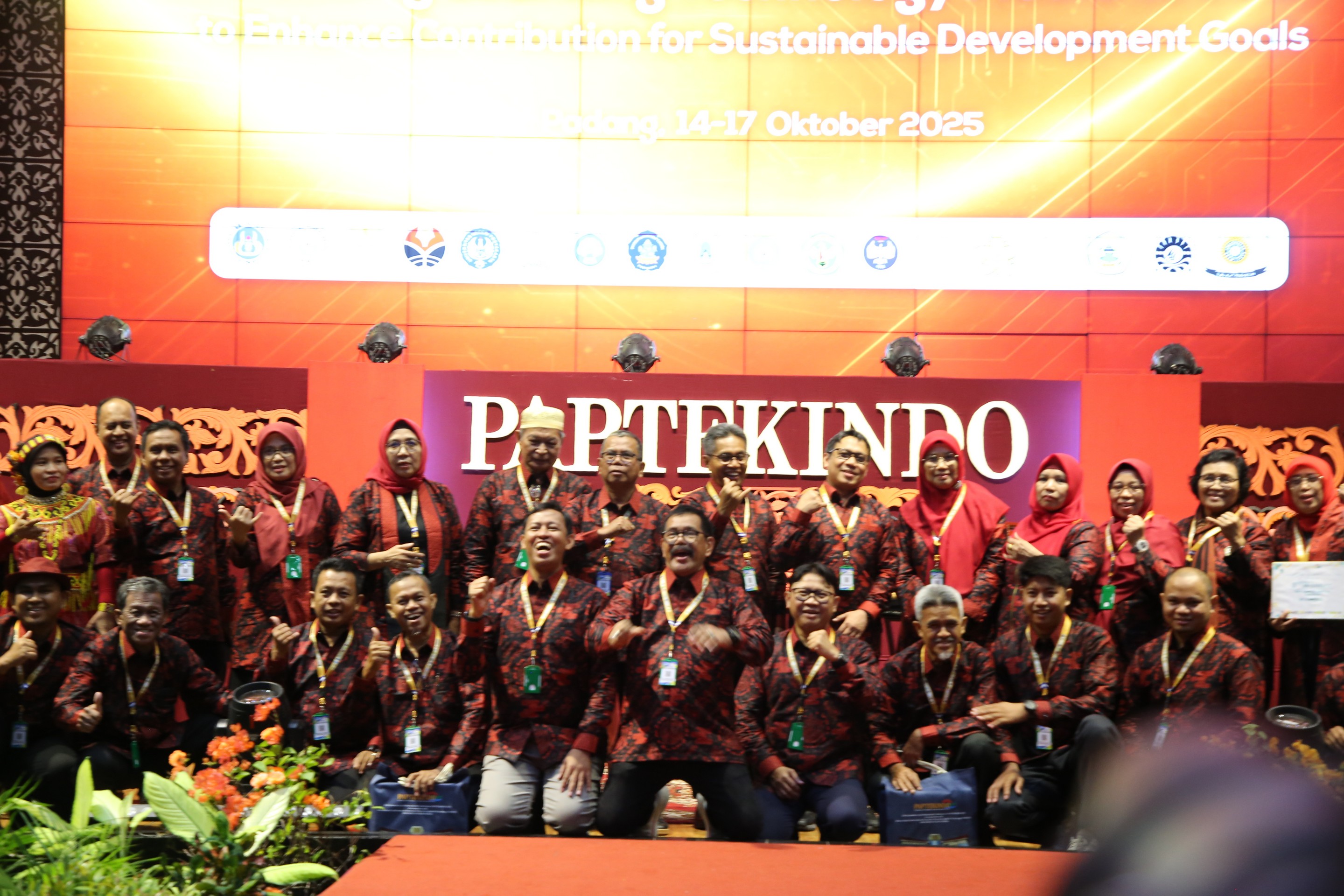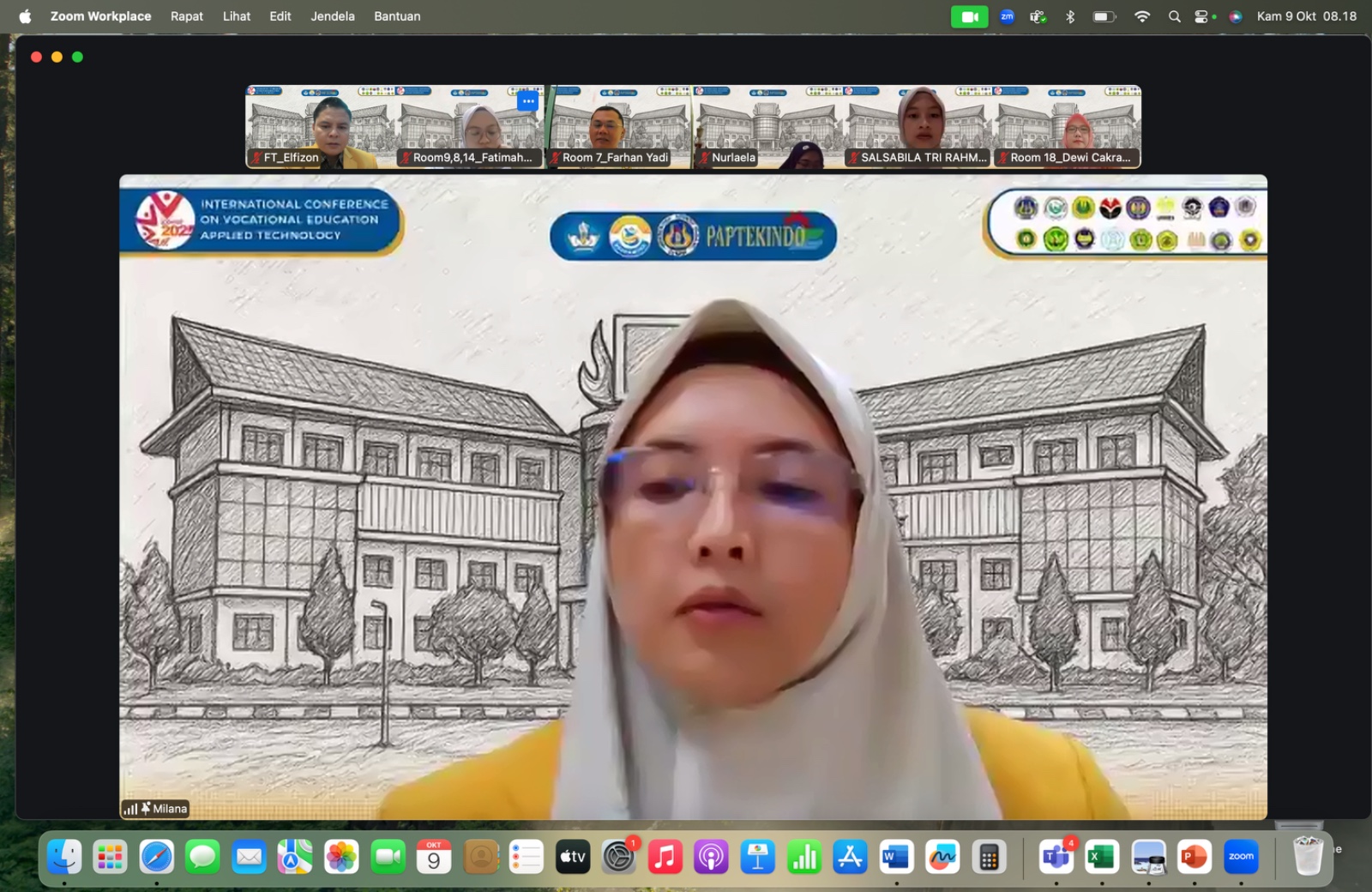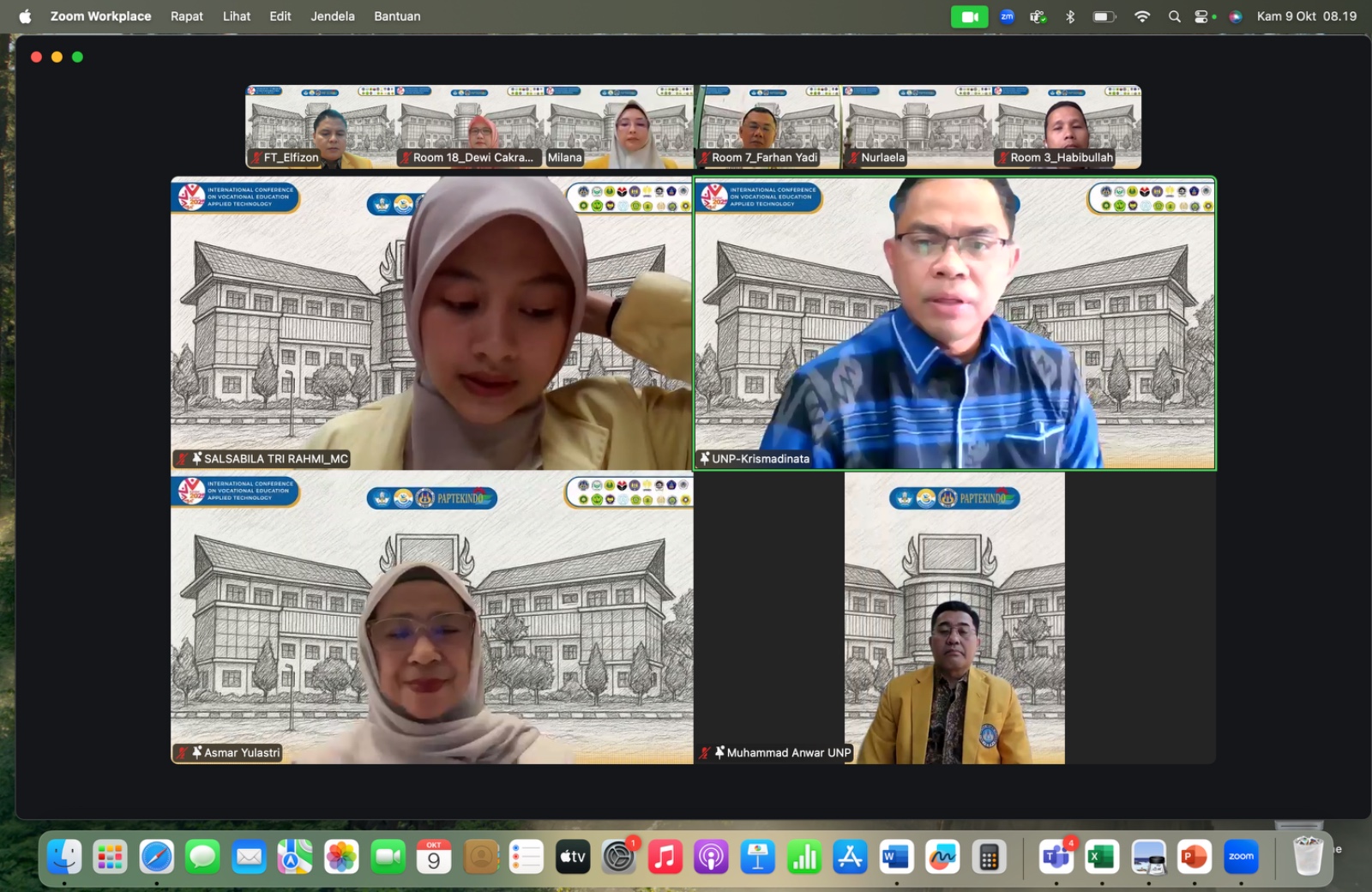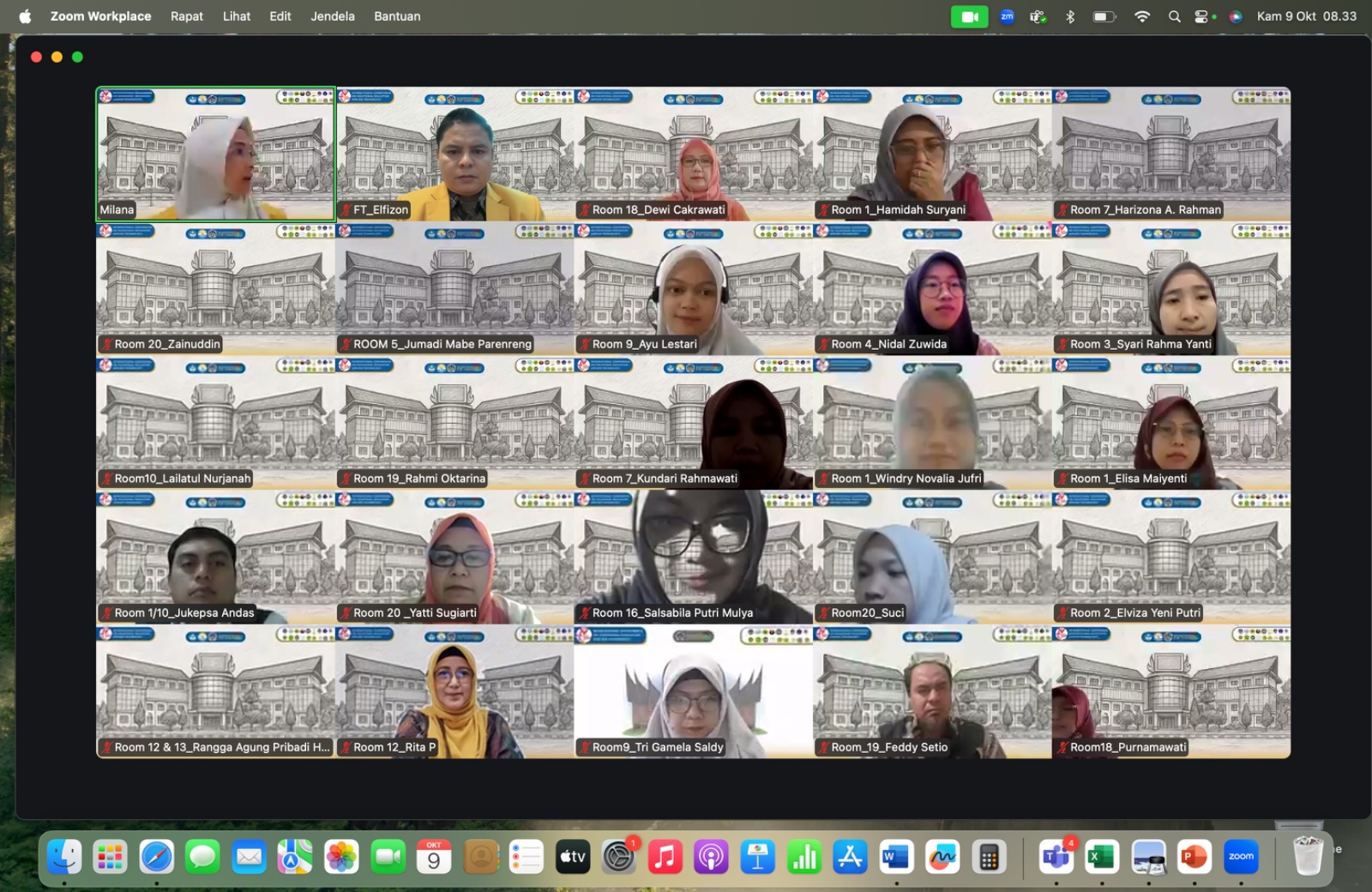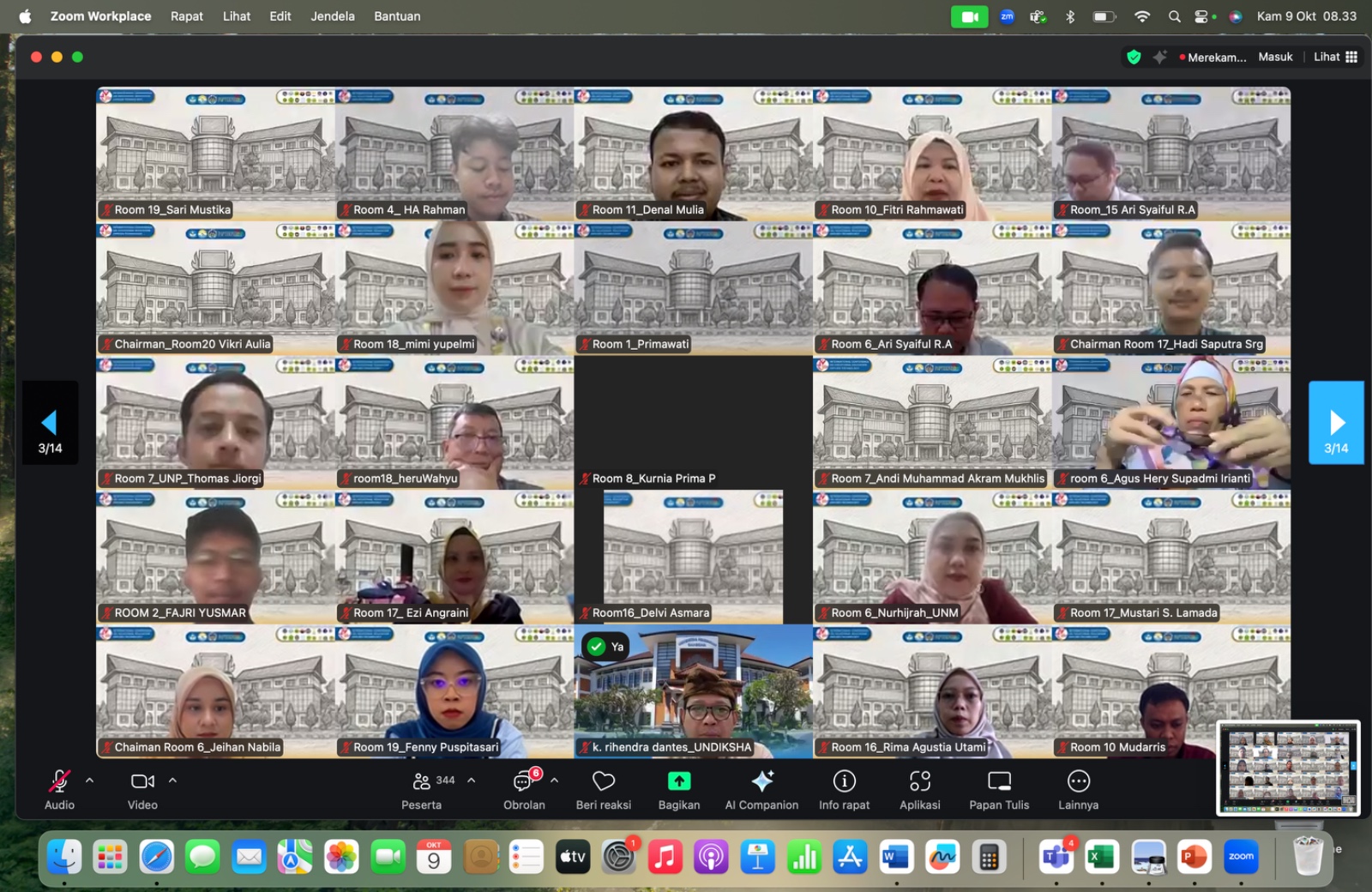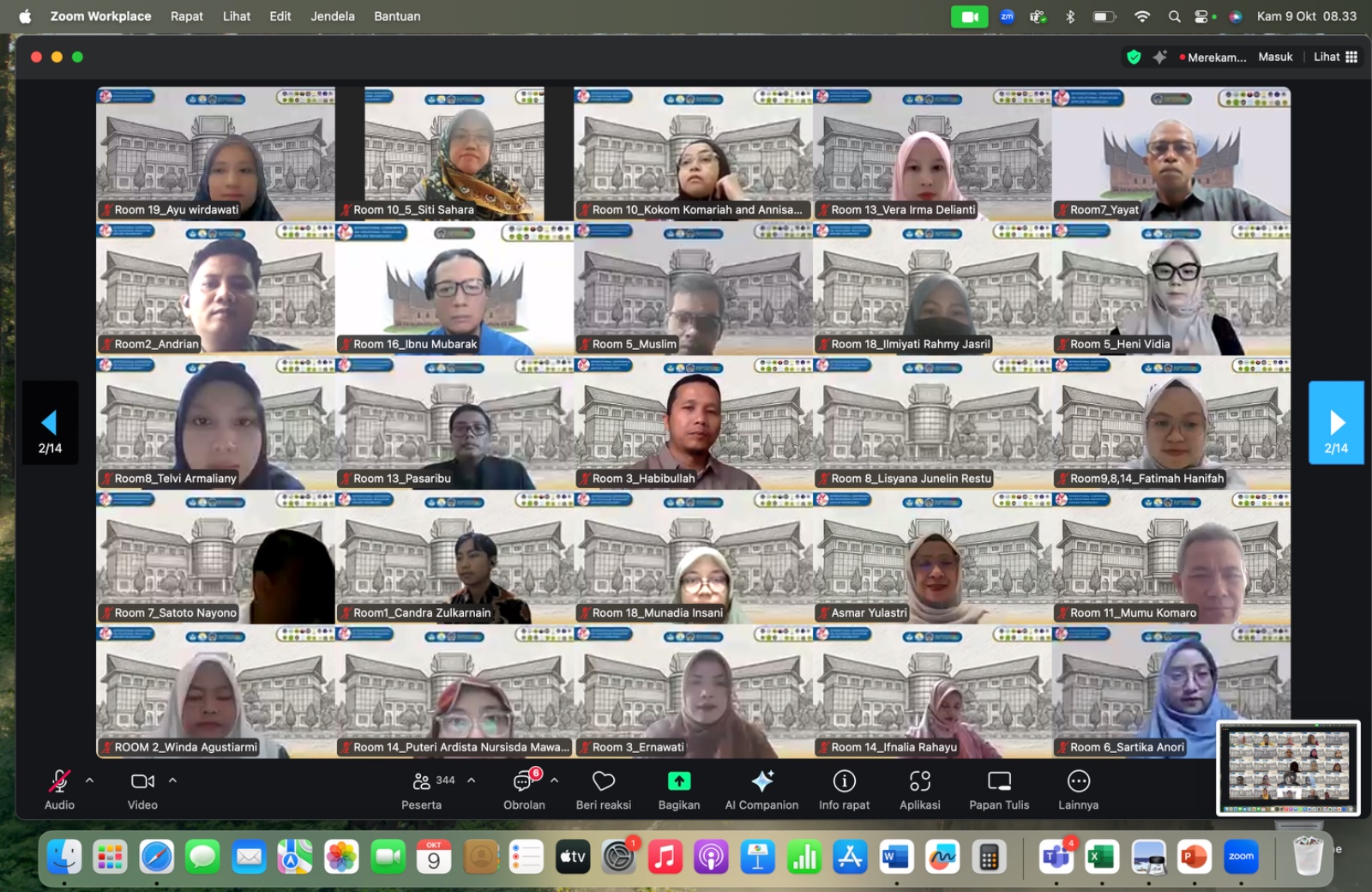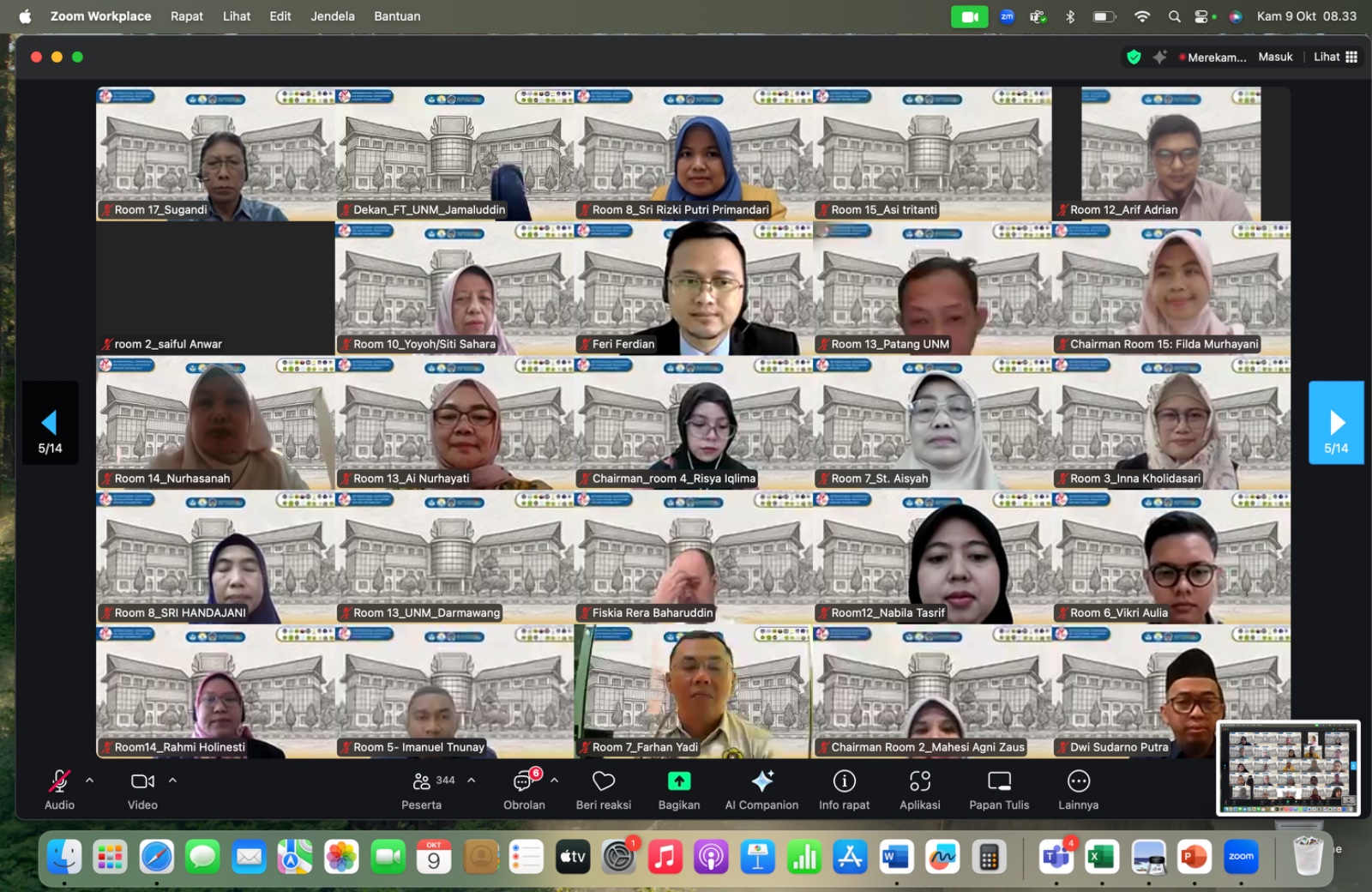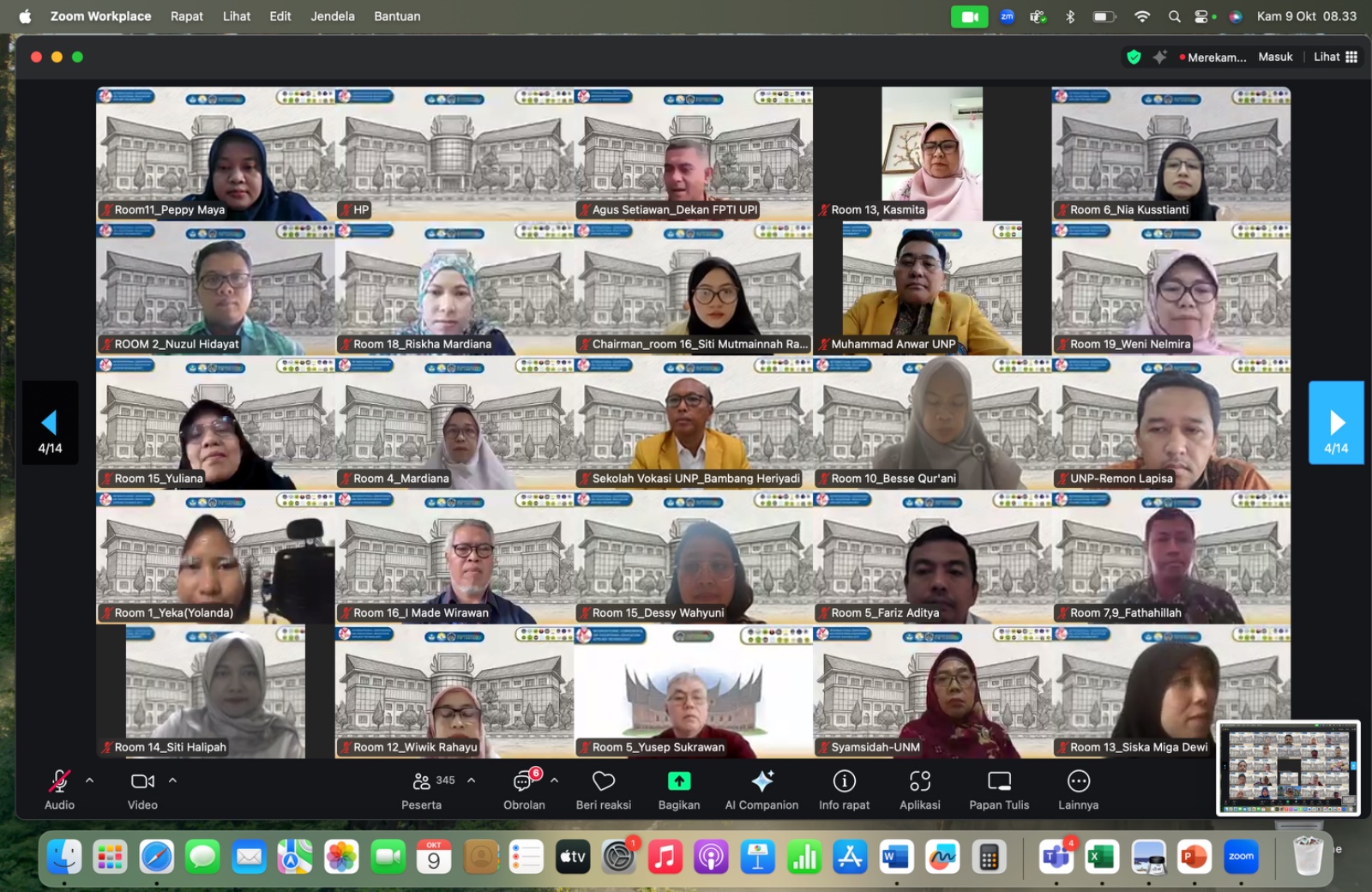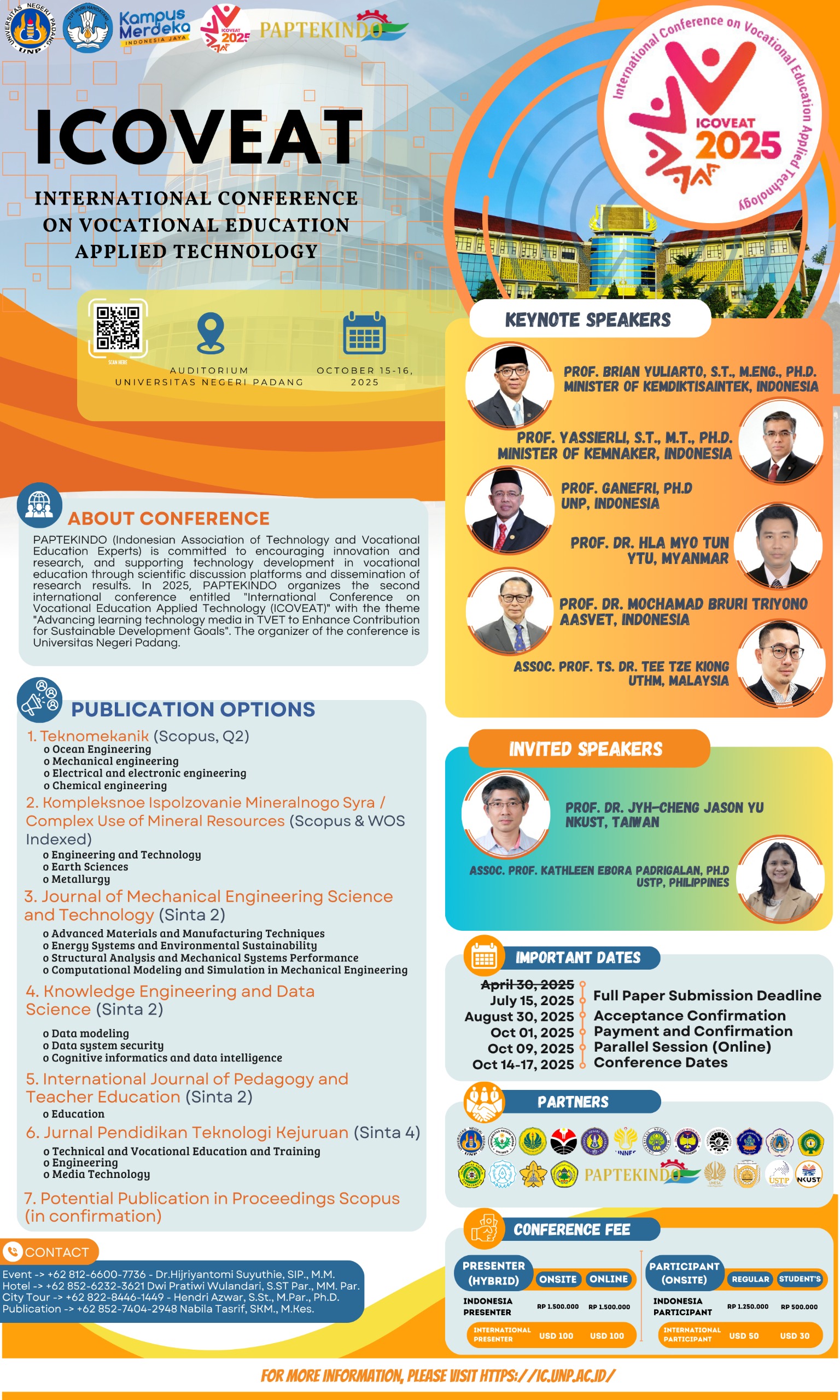
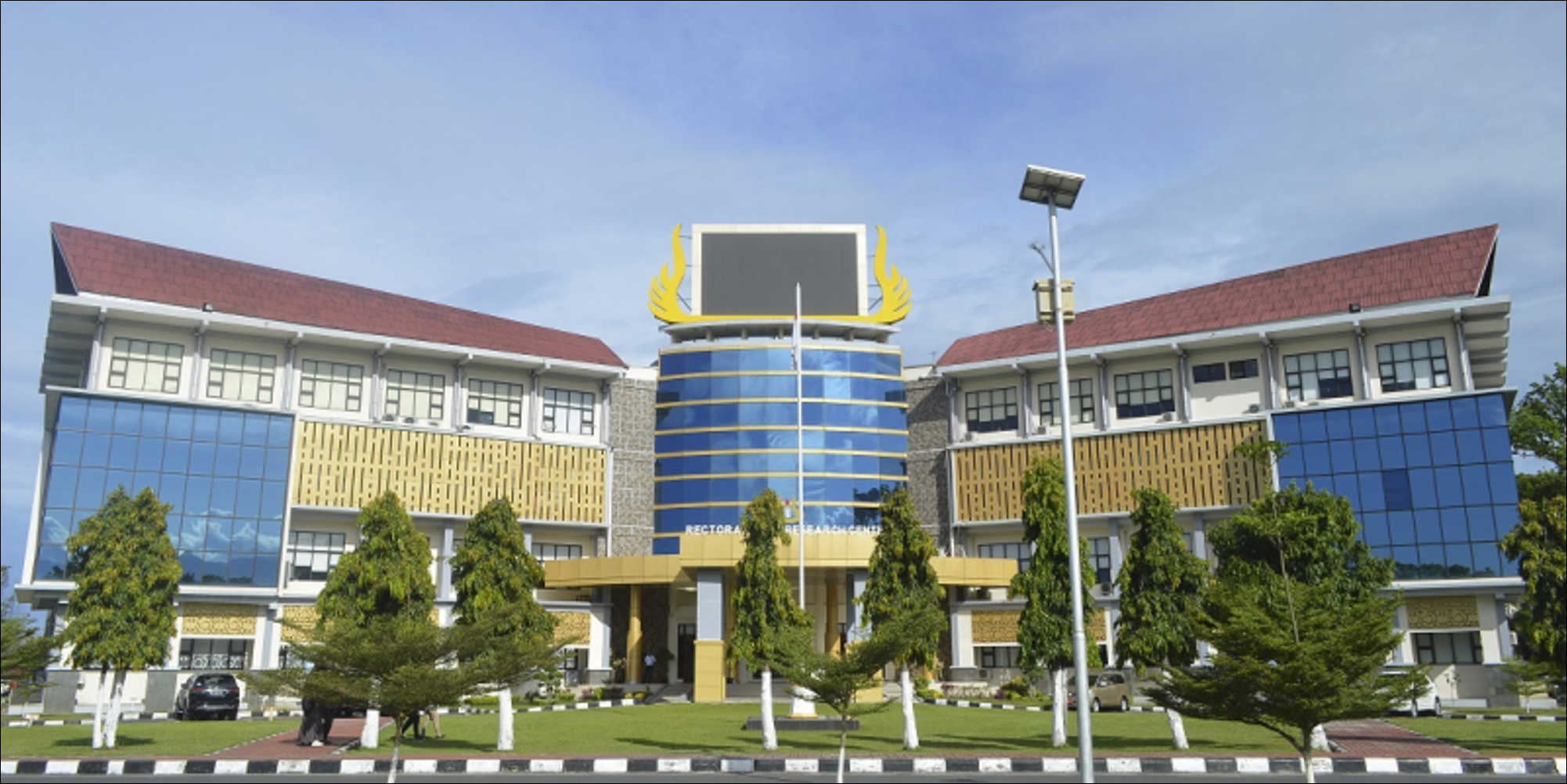
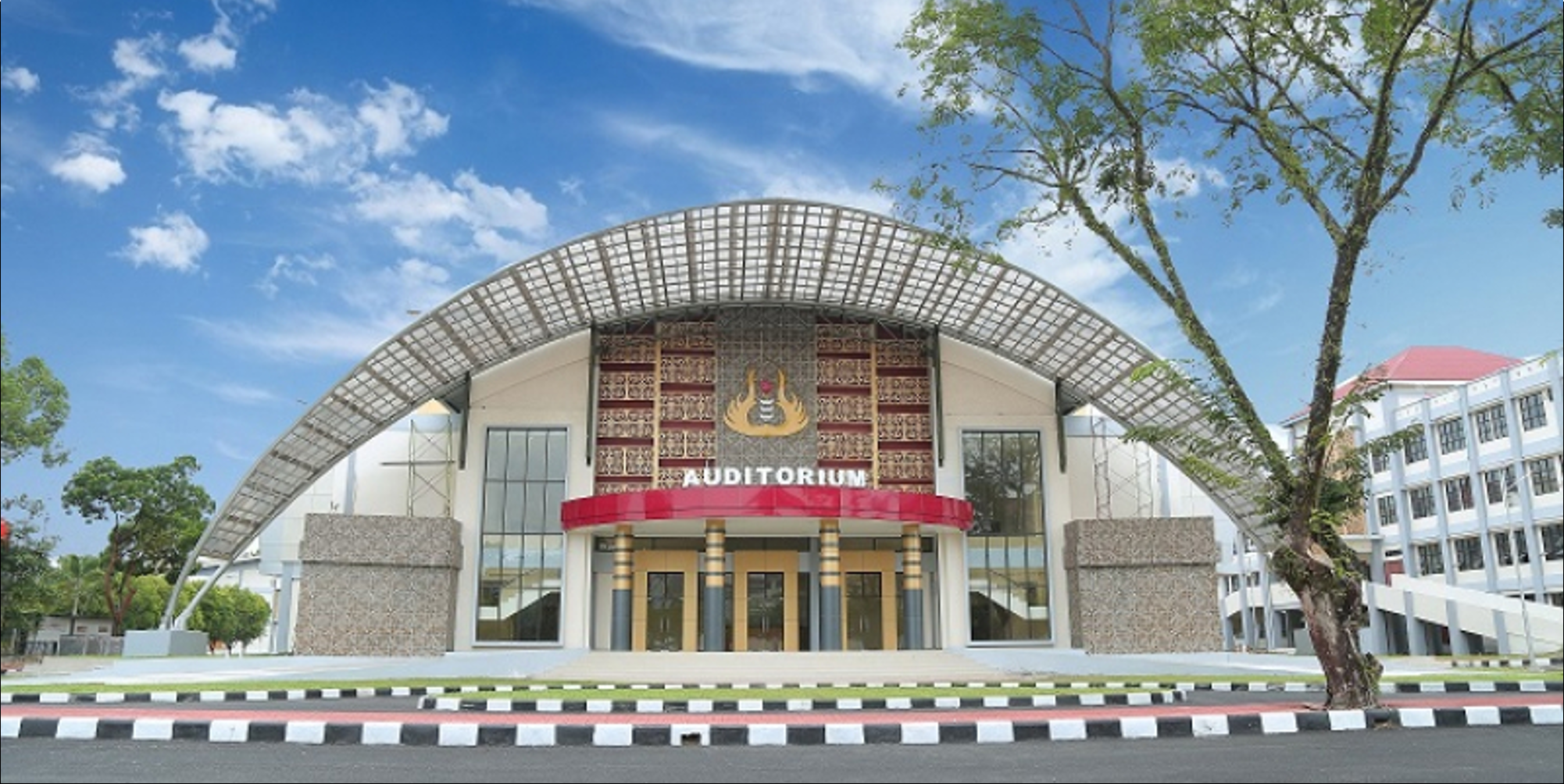

PAPTEKINDO (Indonesian Association of Technology and Vocational Education Experts) is committed to encouraging innovation and research, and supporting technology development in vocational education through scientific discussion platforms and dissemination of research results. In 2025, PAPTEKINDO organizes the second international conference entitled "International Conference on Vocational Education Applied Technology (ICOVEAT)" with the theme "Advancing learning technology media in TVET to Enhance Contribution for Sustainable Development Goals". The organizer of the conference is Universitas Negeri Padang.
The conference aims to provide a platform for vocational education experts, industry practitioners, and policy makers to discuss the latest developments and trends in technology integration into vocational education, as well as to disseminate related research results. The presented papers are expected to provide real contributions to the development of vocational education which is adaptive, innovative, and responsive to the industry-needs. Furthermore, the conference is expected to be a strategic way to promote collaboration, strengthen international networks, and devote valuable impacts on tackling current educational issues through innovative and relevant studies, thus enriching the advancement of education, especially in vocational settings.








The International Conference on Vocational Education Applied Technology (ICOVEAT) upholds a meticulous peer review process to ensure the quality, credibility, and academic rigor of its published works. The process employs a double-blind review system, conducted entirely online, to maintain anonymity between authors and reviewers, fostering impartial evaluations. Experts in relevant fields assess submissions based on their originality, scientific merit, and alignment with the journal’s objectives.
1. Initial Manuscript Screening: The editorial team conducts a preliminary review to confirm that each submission aligns with the symposium’s scope and adheres to its publication standards. Manuscripts exceeding a 20% similarity threshold with existing works or failing to meet formatting and citation guidelines are returned for revision or rejected outright. Only manuscripts passing this stage advance to the peer review process.
2. Reviewer Selection: The editorial board carefully selects at least two independent reviewers with expertise in the manuscript’s subject matter. Reviewers are chosen from institutions unaffiliated with the authors to avoid conflicts of interest. Their selection is based on their academic proficiency and research experience, with the aim of assigning reviewers within four weeks.
3. Peer Review Process: Reviewers evaluate the manuscript’s scientific validity, innovation, and relevance to the Symposium’s focus, typically completing their assessments between two and three weeks. This double review process, conducted online, ensures thorough scrutiny, with reviewers providing constructive feedback to guide authors in refining their work and recommending acceptance, revision, or rejection.
4. Editorial Decision-Making: Drawing on reviewer feedback and adherence to publication standards, the editor-in-chief determines whether to accept, reject, or request revisions. In cases of significant discrepancies among reviewer evaluations, an additional reviewer may be consulted to ensure fairness. Authors receive the editor’s decision, along with anonymized reviewer comments, within approximately one month.
5. Revision Phase: Authors of manuscripts requiring revisions must address reviewer feedback, submit a revised version highlighting changes, and include a response letter detailing how comments were addressed. Minor revisions are expected within two weeks, while major revisions are allocated four weeks. Manuscripts with substantial revisions undergo a second round of review by the original reviewers to verify improvements.
6. Final Preparation for Publication: Once accepted, manuscripts are submitted in their final form for copyediting and formatting to meet the journal’s publication standards and final document adjustment/author’s data.
Through this robust, online, double-blind, and dual-stage peer review process, the International Conference on Vocational Education Applied Technology (ICOVEAT) ensures that published research upholds the highest standards of scholarly excellence and integrity.
| Activity | Date / Duration |
|---|---|
| Open submission article | 1 October 2024 |
| Full paper submission deadline | 31 August 2025 |
| Time to first decision by editor | 7–15 Days |
| Review time by reviewer | 15–45 Days |
| Time of revision article by author(s) | 15–30 Days |
| Acceptance confirmation after author(s) submit revised article by editor | 7–14 Days |
| Payment and confirmation deadline | 30 September 2025 |
| Parallel Session (Online) | 9 October 2025 |
| Conference dates | 15–16 October 2025 |










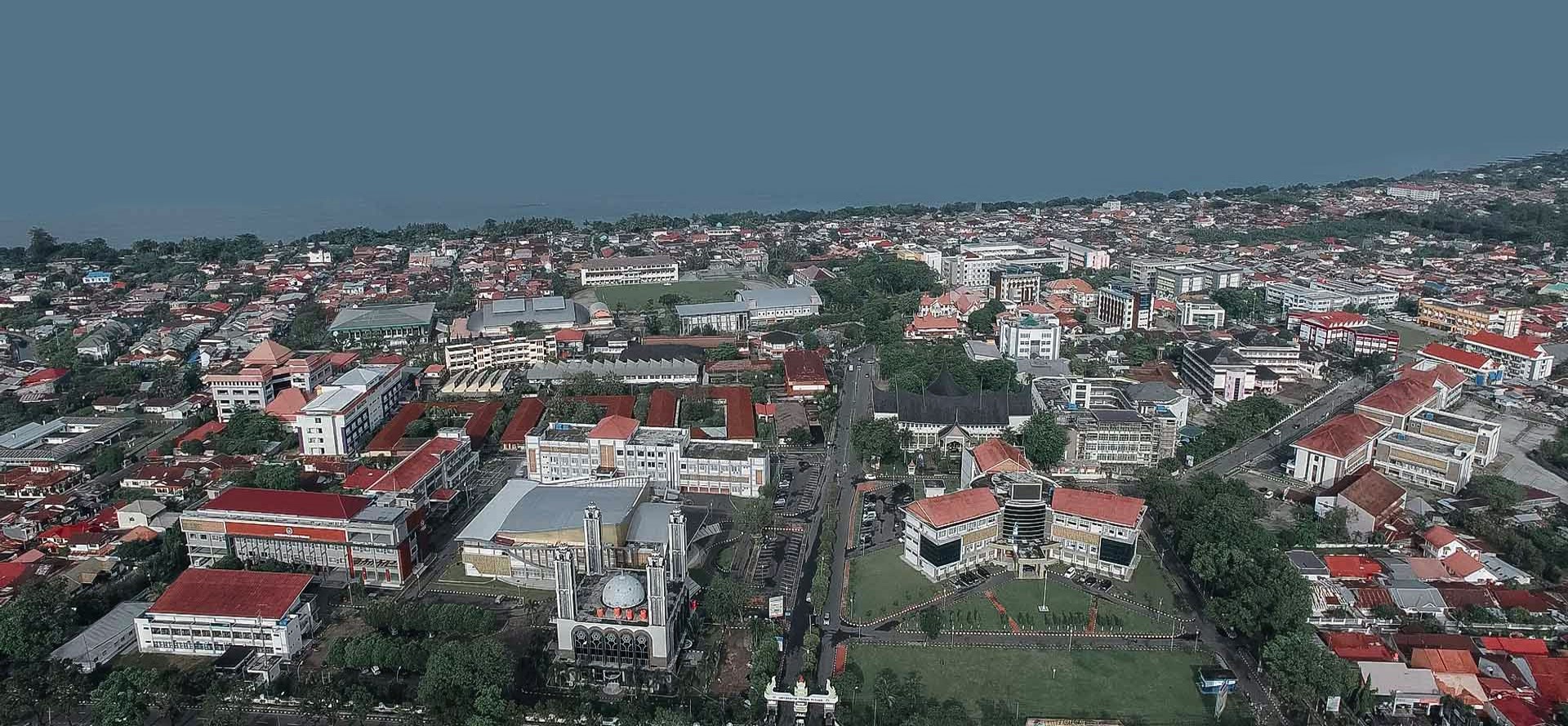
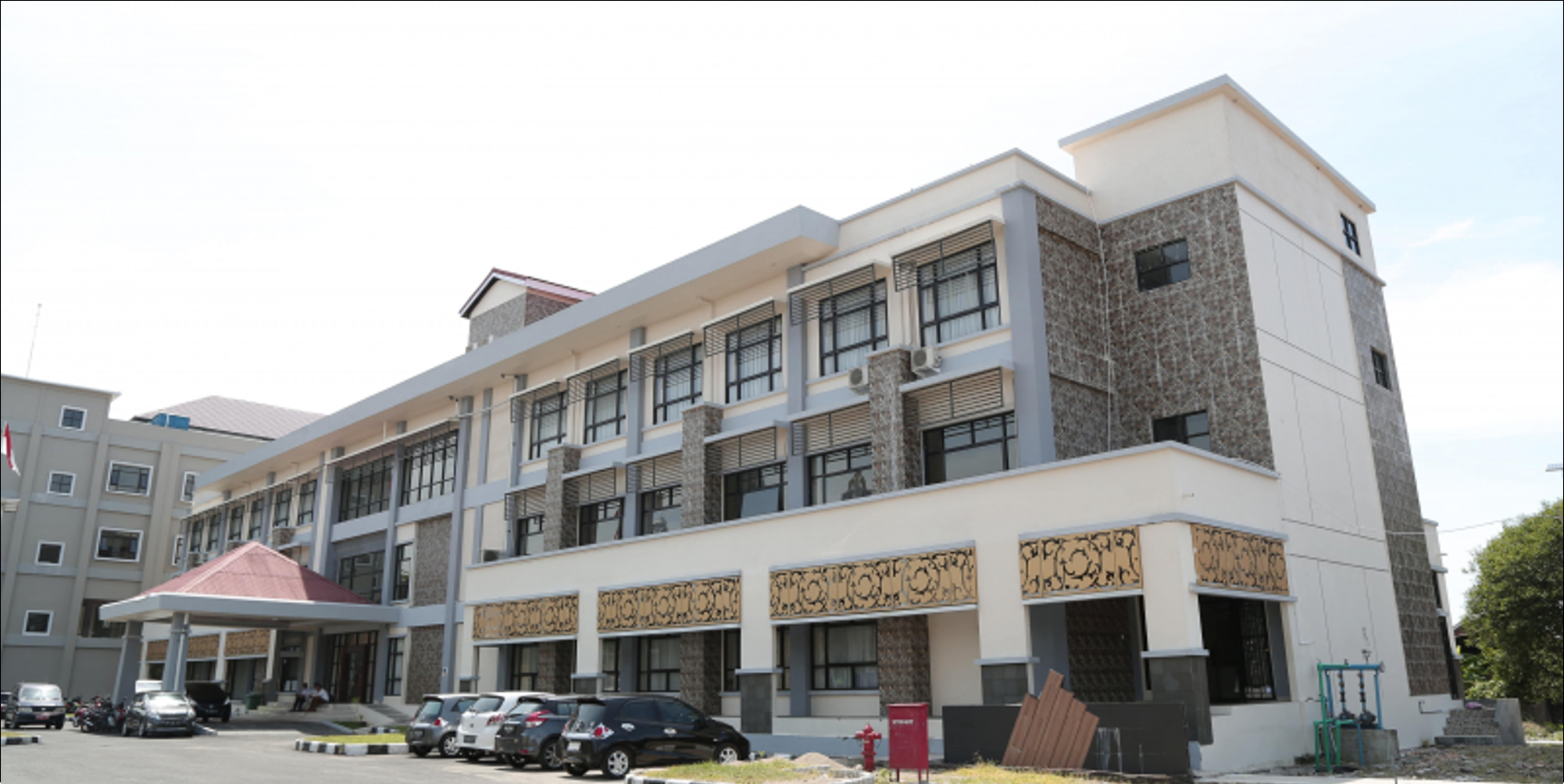
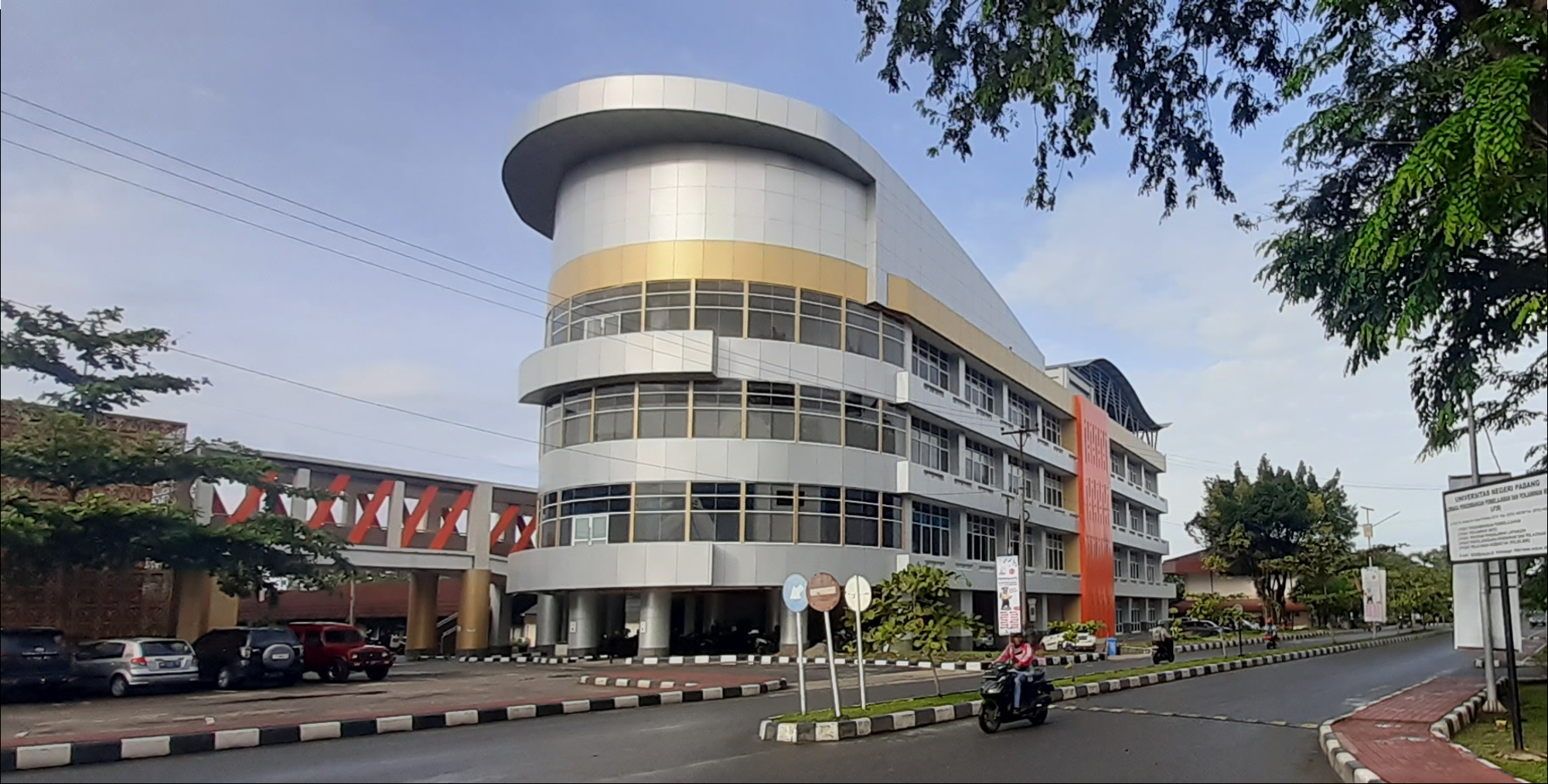
Universitas Negeri Padang (UNP) is located in the city center of Padang, West Sumatra, Indonesia. To get to the city of Padang, you can use air transportation using an airplane with the destination of Minangkabau International Airport. For lodging, there are several hotels close to UNP, namely UNP hotel, Grand Basko hotel, Pangeran Hotel, Ibis Padang Hotel, and more.